How to Build AI-Powered Brand Personalities: AI Influencer, Mascots, and Digital Characters for Modern Marketing
From AI influencers on social media to digital mascots used in ads and customer engagement, brands are building virtual characters that represent their voice, values, and identity. These AI personalities help businesses connect with audiences in a more human, creative, and scalable way. Companies are now using platforms like Genimager to create consistent brand characters, generate visual assets, and maintain a recognizable digital personality across marketing channels.
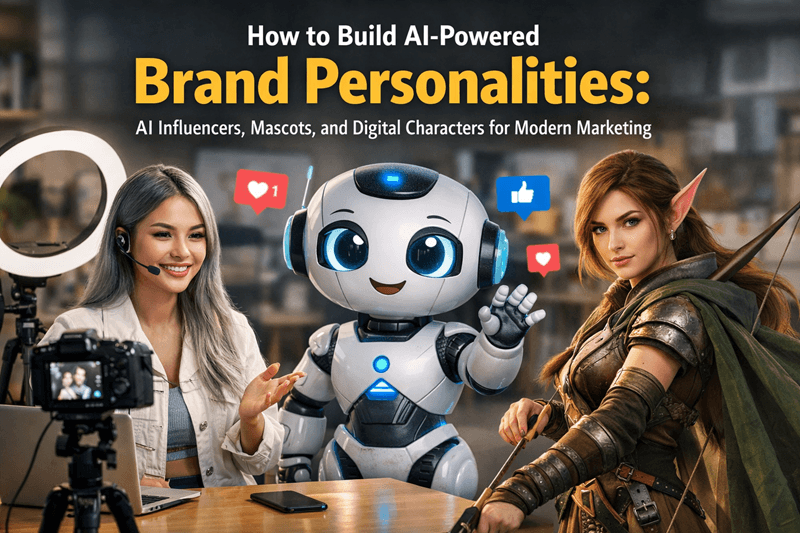
Brands are no longer just logos and taglines. Today they are becoming interactive personalities powered by artificial intelligence.
From AI influencers on social media to digital mascots used in ads and customer engagement, brands are building virtual characters that represent their voice, values, and identity. These AI personalities help businesses connect with audiences in a more human, creative, and scalable way.
Companies are now using platforms like Genimager to create consistent brand characters, generate visual assets, and maintain a recognizable digital personality across marketing channels.
In this guide, you will learn how to build AI-powered brand personalities, explore real opportunities, and avoid common pitfalls.
What Is AI-Powered Brand Personalities?
An AI-powered brand personality is a digital character created using artificial intelligence that represents a brand across marketing channels.
These personalities can appear as:
AI influencers on social media
Digital mascots for advertising
Animated brand characters
AI spokespersons for videos and campaigns
Virtual assistants with a defined personality
Instead of static branding elements, companies now create living digital identities that interact with customers through images, content, and storytelling.
This approach allows brands to maintain consistent visual identity and messaging across multiple platforms.
Why AI Brand Characters Are Becoming Popular
AI brand personalities are rapidly becoming a major marketing trend. The reason is simple. They combine creativity, scalability, and engagement.
1. Higher Audience Engagement
Digital characters make brands more relatable. People interact more with personalities than logos.
AI influencers can comment, post, and respond to audiences regularly, creating deeper engagement.
2. Unlimited Content Creation
AI tools allow brands to generate consistent character visuals, campaigns, and storytelling content quickly.
This helps marketers maintain daily social media activity without expensive production costs.
3. Stronger Brand Recall
Mascots and characters help audiences remember brands easily.
Many famous brands rely on recognizable characters because visual storytelling increases memory retention.
4. Global Scalability
AI personalities can speak different languages, appear in various campaigns, and adapt to global audiences without needing human influencers.
Types of AI Brand Personalities
Different businesses use different styles of AI characters depending on their brand strategy.
1. AI Influencers
AI influencers act like real social media creators. They post lifestyle content, promote products, and build audiences.
Many brands create virtual influencers for Instagram, TikTok, and YouTube campaigns.
These influencers can represent fashion brands, tech products, gaming platforms, or lifestyle companies.
2. Digital Brand Mascots
Mascots are friendly characters that represent a brand visually.
AI tools help companies generate consistent mascot visuals for marketing campaigns, ads, websites, and product packaging.
Mascots are especially powerful for:
Consumer brands
SaaS products
gaming platforms
education companies
3. AI Brand Characters
Some brands create full fictional characters with a personality, story, and role in marketing campaigns.
These characters may appear in:
tutorials
marketing videos
product explainers
social media storytelling
This approach helps create emotional connection with audiences.
How to Build an AI Brand Personality
Creating an effective AI brand personality requires both creativity and strategic planning.
Follow these steps to build one successfully.
Step 1: Define Your Brand Identity
Before designing a character, you must define the brand voice.
Ask these questions:
Is the brand playful or professional?
Is the target audience young or corporate?
Should the character be humorous, helpful, or educational?
Clear brand identity ensures the character aligns with the company image.
Step 2: Design the Visual Character
Once the concept is clear, design the character's visual appearance.
This includes:
facial features
clothing and accessories
color palette
emotional expressions
AI tools like Genimager help create multiple visual variations quickly so brands can experiment before finalizing a design.
Step 3: Create a Personality and Backstory
A strong brand character needs personality traits.
Define:
tone of voice
interests
communication style
typical reactions
Giving your AI character a backstory or mission helps audiences connect emotionally.
Step 4: Build Consistent Visual Content
The next step is generating consistent content featuring the character.
Examples include:
social media posts
campaign visuals
brand storytelling graphics
blog illustrations
AI image generation tools make it possible to maintain visual consistency across campaigns.
Step 5: Integrate the Character Across Marketing Channels
A successful AI personality should appear across multiple platforms.
Use the character in:
website banners
social media content
digital ads
newsletters
product tutorials
Consistency helps audiences recognize and remember the brand personality.
Pitfalls to Avoid When Creating AI Brand Characters
While AI personalities offer many benefits, there are risks if implemented poorly.
1. Lack of Brand Consistency
If the character changes style too frequently, audiences may not recognize it.
Use consistent prompts and visual guidelines.
2. Overly Generic Characters
Many AI characters look similar. A brand personality must have distinctive visual identity and personality traits.
3. Ethical and Transparency Issues
Some audiences react negatively when brands pretend AI influencers are real humans.
Transparency helps maintain trust.
4. Poor Content Strategy
An AI personality without storytelling or regular content quickly loses relevance.
Plan ongoing campaigns before launching the character.
Opportunities for Businesses Using AI Brand Personalities
AI brand personalities unlock several new opportunities for businesses.
1. Always-Active Influencers
AI influencers can post content 24 hours a day and stay active across global time zones.
2. Cost-Effective Marketing
Brands can produce large amounts of visual content without expensive photoshoots.
3. Personalized Marketing
AI characters can adapt their messaging for different audience segments.
4. Scalable Branding
Companies can easily create multiple characters representing different product lines or markets.
For startups and SaaS companies, this approach creates a memorable and scalable brand identity.
Conclusion: The Future of Branding Is Character-Driven
AI-powered brand personalities are changing how businesses communicate with audiences.
From AI influencers to digital mascots, these characters help brands create stronger engagement, memorable storytelling, and scalable marketing strategies.
However, success depends on clear brand strategy, consistent visuals, and meaningful storytelling.
If you want to create your own AI brand personality, tools like Genimager make it easier to generate characters, build visual consistency, and scale your marketing content.
Start building your AI brand character today and turn your brand into a personality people remember.
Create your AI brand character with Genimager and start generating unique visual content for your campaigns now.