How AI Powers Personalized Visual Storytelling for Every Audience Segment
In today’s digital landscape, generic visuals no longer capture attention. Users expect content that feels relevant, timely, and tailored to their interests. Instead of creating one-size-fits-all designs, businesses can now generate dynamic visuals customized for specific audience segments. If your goal is to increase engagement, improve conversions, and stand out in crowded digital spaces, AI-powered personalization is no longer optional. It is essential.
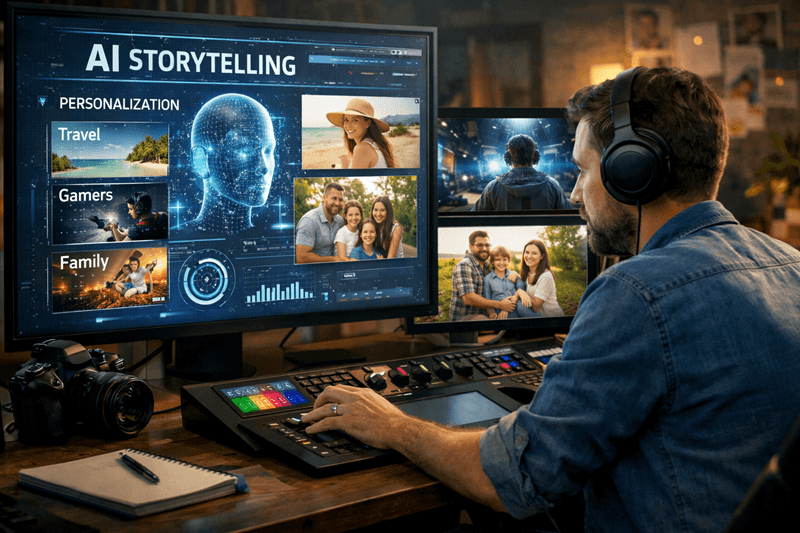
In today’s digital landscape, generic visuals no longer capture attention. Users expect content that feels relevant, timely, and tailored to their interests. This is where AI-driven personalized visual storytelling is transforming how brands communicate.
Instead of creating one-size-fits-all designs, businesses can now generate dynamic visuals customized for specific audience segments. Whether it is targeted ads, social media creatives, or website visuals, AI allows brands to deliver the right message to the right audience at the right time.
If your goal is to increase engagement, improve conversions, and stand out in crowded digital spaces, AI-powered personalization is no longer optional. It is essential.
What is AI Personalized Visual Storytelling?
AI personalized visual storytelling refers to using artificial intelligence to create and deliver customized visuals based on user data, behavior, preferences, and demographics.
This includes:
Tailored images for different customer segments
Dynamic ad creatives based on browsing behavior
Personalized product visuals for eCommerce users
Region-specific or culture-specific design variations
Instead of manually designing multiple versions, AI automates the process and scales personalization efficiently.
How AI Creates Personalized Visual Content
1. Audience Segmentation Using Data
AI analyzes large datasets to divide users into meaningful segments based on:
Age and gender
Location
Interests and behavior
Purchase history
For example, a fashion brand can show different visuals to Gen Z users compared to working professionals.
2. Dynamic Content Generation
AI tools can automatically generate multiple versions of a visual using:
Different colors
Layouts
Text overlays
Product placements
This allows marketers to test and deploy visuals that resonate with each audience group.
3. Real-Time Adaptation
One of the biggest advantages of AI is real-time personalization. Visuals can change based on:
User interaction
Time of day
Device type
Previous engagement
This ensures every user sees the most relevant version of your content.
4. Predictive Personalization
AI does not just react. It predicts. By analyzing past behavior, AI can anticipate what type of visual content a user is more likely to engage with.
For instance, if a user frequently clicks on minimalist designs, AI can prioritize similar visuals for them.
Benefits of AI in Personalized Visual Storytelling
1. Higher Engagement Rates
Personalized visuals capture attention faster because they feel relevant. Users are more likely to interact with content that reflects their preferences.
2. Improved Conversion Rates
When users see visuals tailored to their needs, they are more likely to take action. This includes signing up, purchasing, or clicking through.
3. Scalable Content Creation
Creating hundreds of variations manually is time-consuming. AI enables businesses to scale visual production without increasing workload.
4. Better Customer Experience
Personalization enhances user experience by making content feel intuitive and meaningful.
5. Data-Driven Creativity
AI combines creativity with analytics, ensuring every design decision is backed by data.
Use Cases Across Industries
1. E-Commerce
Personalized product images
Dynamic banners based on browsing behavior
2. Digital Marketing
AI-generated ad creatives for different segments
A/B testing visual variations at scale
3. Social Media
Tailored visuals for different audience demographics
Platform-specific creative optimization
4. SaaS Platforms
Personalized onboarding visuals
Custom dashboards and UI elements
How Genimager Enables AI Visual Personalization
Platforms like Genimager are built to simplify and scale AI-powered visual storytelling. With advanced AI capabilities, users can:
Generate high-quality visuals instantly
Customize images for different audience segments
Create consistent brand visuals across campaigns
Experiment with multiple variations without design expertise
This makes it easier for businesses to adopt personalized visual strategies without heavy investment in design resources.
Best Practices for AI Personalized Visual Storytelling
1. Start with Clear Audience Segments
Define your target groups before creating visuals. The more precise your segmentation, the better the results.
2. Focus on Relevance Over Quantity
Do not just create multiple visuals. Ensure each one adds value and aligns with user intent.
3. Test and Optimize Continuously
Use AI insights to refine visuals based on performance metrics like CTR and engagement.
4. Maintain Brand Consistency
Even with personalization, your visuals should reflect a consistent brand identity.
5. Leverage Automation Tools
Use AI platforms to streamline workflows and reduce manual effort.
Future Trends in AI Visual Storytelling
The future of AI in visual storytelling is evolving rapidly. Key trends include:
Hyper-personalization at the individual level
Integration with AR and VR experiences
AI-generated video storytelling
Emotion-based visual customization
As AI technology advances, personalization will become more precise and immersive.
Conclusion: Turn Visual Content into a Personalized Experience
AI is redefining how brands connect with audiences through visuals. By leveraging AI personalized visual storytelling, businesses can deliver content that resonates deeply with each user segment.
This approach not only improves engagement and conversions but also builds stronger customer relationships.
If you want to stay ahead in the competitive digital landscape, now is the time to adopt AI-powered visual personalization.
Start creating smarter, more engaging visuals today with Genimager. Transform your content strategy, connect with your audience on a deeper level, and drive real business results with AI-powered personalized visual storytelling.