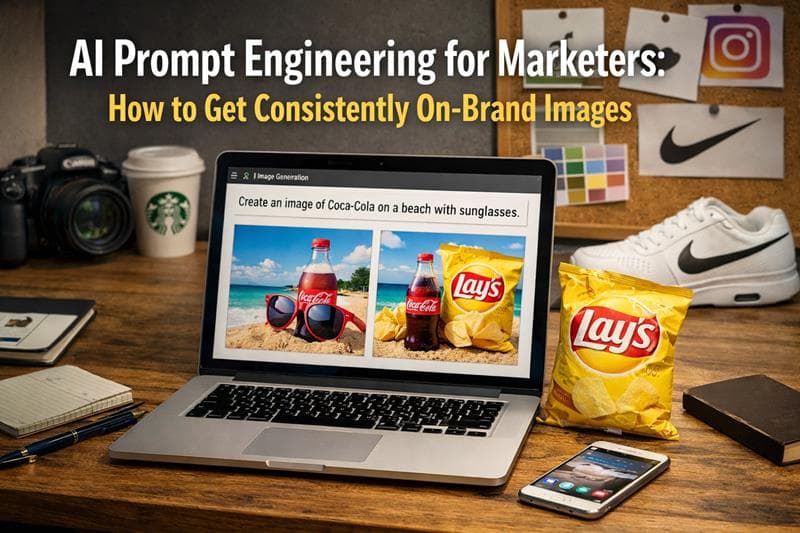
AI image generation has transformed how marketing teams create visuals. Tools like Genimager allow brands to produce high-quality images in seconds, but many marketers struggle with one major issue. Consistency.
If your AI-generated images look different every time, your brand identity weakens. That is where prompt engineering becomes essential. By mastering how you write prompts, you can control style, tone, and output with precision.
This guide will show you advanced prompt engineering techniques that help marketers generate consistently on-brand images and improve campaign performance.
Why Prompt Engineering Matters for Marketers
AI tools are only as good as the instructions they receive. A vague prompt leads to random outputs, while a structured prompt produces predictable and usable results.
For marketers, this means:
Stronger brand consistency across campaigns
Faster content production
Lower design costs
Higher engagement and click-through rates
Think of prompt engineering as your new creative direction skill. Instead of briefing a designer, you are briefing an AI.
The Core Structure of a High-Performing Prompt
To get consistent results, your prompts should follow a repeatable structure. Use this framework:
1. Subject
What is the image about
2. Style
Photography, illustration, 3D renders, minimal design
3. Brand Elements
Colors, tone, mood, typography
4. Composition
Camera angle, layout, background
5. Quality Modifiers
High resolution, sharp focus, studio lighting
Example Prompt
Instead of writing:
"Create a marketing image for a SaaS product"
Write:
"A modern SaaS dashboard displayed on a laptop, clean minimal style, blue and white brand colors, soft lighting, professional workspace background, high resolution, sharp focus"
This level of detail ensures consistency across outputs.
Advanced Prompt Techniques for On-Brand Images
1. Use Brand Anchors in Every Prompt
A brand anchor is a fixed element that appears in all your prompts.
Examples include:
Specific color palette
Lighting style
Background type
Mood or emotion
Pro Tip: Create a reusable prompt template with your brand anchors baked in. This ensures every image aligns with your identity.
2. Leverage Prompt Layering
Prompt layering means adding detail step by step instead of writing everything at once.
Start with a base prompt, then refine:
Base Prompt:
"A product showcase image"
Layer 1:
"Minimalist product showcase with soft shadows"
Layer 2:
"Minimalist product showcase with soft shadows, neutral background, premium aesthetic, high resolution"
This method helps you test and refine outputs systematically.
3. Define Visual Consistency with Style Keywords
Using consistent style keywords is critical for brand alignment.
Examples of style keywords:
cinematic lighting
flat design
isometric illustration
editorial photography
pastel color scheme
Pick 2 to 3 styles and stick with them across campaigns. This creates a recognizable visual identity.
4. Control Output with Negative Prompts
Negative prompts tell the AI what to avoid.
Examples:
no clutter
no dark tones
no distorted shapes
no unrealistic lighting
This technique reduces unwanted variations and improves output quality.
5. Build a Prompt Library
Top marketers do not write prompts from scratch every time. They build a prompt library.
Your library should include:
Social media image prompts
Website banner prompts
Product showcase prompts
Ad creative prompts
This saves time and ensures consistent output across teams.
Real Use Cases for Marketing Teams
1. Social Media Campaigns
Generate scroll-stopping visuals with consistent colors and styles. This improves brand recall and engagement.
2. Website Banners
Create hero images that match your landing page design and messaging.
3. Email Marketing
Use AI-generated visuals to increase open rates and click-through rates.
4. Paid Ads
Test multiple variations of ad creatives quickly without relying on manual design.
Common Mistakes to Avoid
Even experienced marketers make these mistakes:
1. Writing vague prompts
Lack of detail leads to inconsistent outputs
2. Ignoring brand guidelines
AI will not follow your brand unless you tell it to
3. Overloading prompts
Too much detail can confuse the AI
4. Not testing variations
Optimization requires experimentation
Avoid these pitfalls to get better results from your AI workflows.
Quick Interactive Checklist
Before generating your next image, ask yourself:
Does my prompt include brand colors and style
Have I defined the composition clearly
Did I include quality modifiers
Am I using a consistent prompt structure
If you answered no to any of these, refine your prompt before generating.
The Future of AI Prompt Engineering in Marketing
Prompt engineering is evolving into a core marketing skill. As AI tools become more advanced, the ability to guide them effectively will separate high-performing teams from the rest.
Marketers who invest in structured prompts and reusable frameworks will gain a competitive advantage in content production and brand consistency.
Conclusion
AI image generation is no longer just a creative tool. It is a strategic advantage. By mastering prompt engineering, you can create high-quality, on-brand visuals at scale without relying on traditional design workflows.
If you want to streamline your creative process and generate consistent marketing visuals effortlessly, it is time to upgrade your approach.
Start creating smarter, faster, and more consistent visuals today with Genimager. Try it now and transform how your brand shows up across every channel.